


Gaps between teeth are one of the most common cosmetic concerns patients bring up at dental consultations. Some people have lived with a gap their whole life and simply accepted it. Others notice it more as they get older and their confidence around their smile starts to shift. And some patients come in specifically asking whether veneers can close the space without going through months of orthodontic treatment.
The answer is yes. Veneers can close gaps between teeth. But how well they work depends on the size of the gap, the position of the surrounding teeth, and whether veneers are genuinely the right solution for your specific situation or whether a different approach would serve you better long term.
If you have been wondering whether veneers in Agoura Hills could be the answer to your gap without needing braces or aligners, here is an honest, complete breakdown of what veneers can and cannot do for spaces between teeth.
How Veneers Close Gaps?
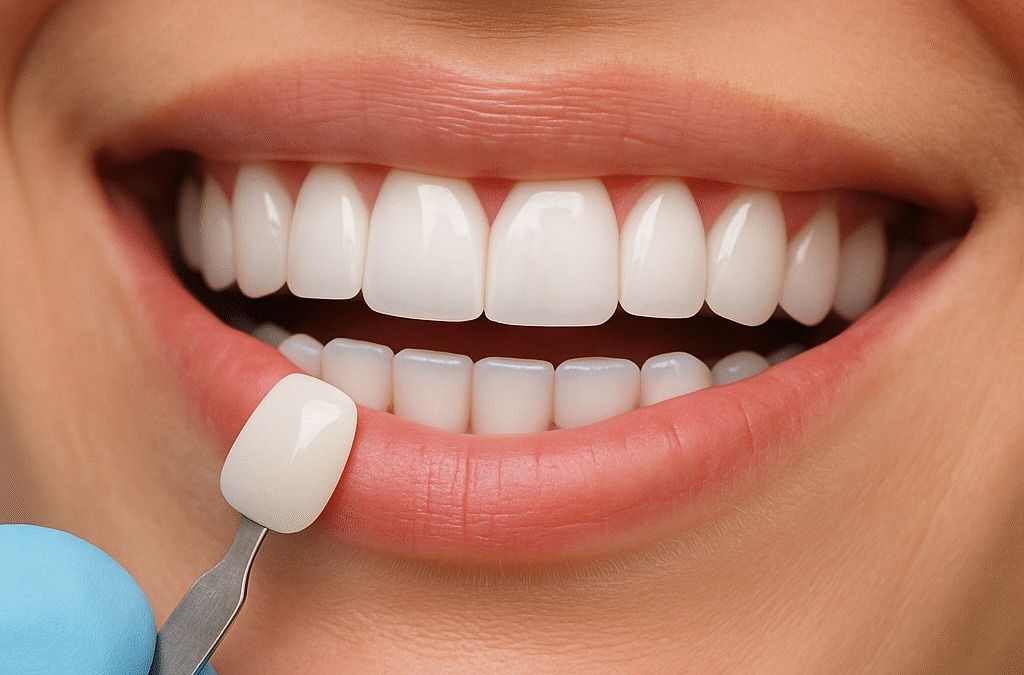
Veneers are thin shells of porcelain or composite bonded to the front surface of the teeth. When a gap exists between two teeth, veneers can be designed slightly wider than the natural teeth they cover, effectively filling the space between them by extending the visible width of one or both of the adjacent teeth.
This works particularly well for small to moderate gaps, especially the central gap between the two upper front teeth that many patients find bothersome. A well-designed veneer in this area can close the gap completely while still looking completely natural because the proportions of the teeth are adjusted in a way that suits the overall smile and face.
The key word is proportions. Closing a gap with veneers is not simply a matter of making teeth wider. It requires careful aesthetic planning to ensure the widened teeth look natural rather than oversized. This is why the skill and aesthetic judgment of the provider matters enormously in gap closure cases.
What Size Gaps Work Best With Veneers?
Not every gap is equally suited to veneer closure, and being honest about this from the start helps patients make better decisions.
Small gaps up to about two millimeters between the front teeth respond very well to veneers. The space can be closed by widening each adjacent tooth by one millimeter on the gap-facing side, an adjustment that is almost imperceptible in the final result. Patients in this category often achieve a completely natural-looking closure that looks as if there was never a gap there at all.
Moderate gaps between two and four millimeters are still treatable with veneers but require more careful planning. Closing a larger gap means adding more width to the adjacent teeth, which needs to be balanced against how those teeth look in proportion to the rest of the smile. An experienced cosmetic dentist uses digital smile design tools to preview the proportions before any work begins, making sure the planned closure will look natural rather than artificially wide.
Large gaps above four or five millimeters are where veneers start to reach their limits for gap closure alone. Closing a gap this size purely by widening the adjacent teeth can result in teeth that look disproportionately wide relative to the rest of the smile. In these cases a combination approach, perhaps Invisalign treatment to move the teeth closer together first followed by veneers to refine the final result, often produces a more natural and proportionate outcome than veneers alone could achieve.
When Veneers Are the Right Choice for Gap Closure?
Veneers make the most sense for gap closure in specific situations. Understanding where they fit best helps patients identify whether this is the right conversation to be having.
Veneers work particularly well for patients who have a small to moderate gap between their front teeth and also have other cosmetic concerns they want to address at the same time. Discoloration that has not responded to professional teeth whitening, minor chips or irregular tooth shapes, or overall smile symmetry concerns are all issues that veneers address simultaneously alongside the gap closure.
For these patients veneers are genuinely the most efficient solution. Rather than going through months of orthodontic treatment to close the gap and then addressing the other cosmetic concerns separately, a set of well-planned veneers addresses everything in a single coordinated treatment.
Veneers also make sense for patients who want a faster result. A veneer-based gap closure can typically be completed in two to three appointments over a few weeks. Orthodontic treatment to close a gap, depending on the size of the space and whether other alignment issues are also present, can take anywhere from several months to over a year.
When Veneers Are Not the Best Answer?
Equally important is being clear about when veneers are not the best solution for closing a gap.
Patients with large gaps, significant misalignment across multiple teeth, or bite issues that are contributing to the spacing are generally better served by orthodontic treatment first. Closing a gap caused by underlying bite or alignment issues without addressing those issues means the gap may gradually reopen over time as the forces driving the spacing continue to act on the teeth.
Patients with very healthy, naturally proportioned teeth and a single gap may also find that no-prep veneers or even direct composite bonding is a more conservative option than traditional porcelain veneers, which require a small amount of enamel removal as part of the preparation process.
This is exactly why a thorough consultation matters so much before committing to any treatment. The right provider asks the right questions, assesses the underlying cause of the gap, previews the planned result digitally, and gives you an honest recommendation rather than defaulting to the most expensive or most involved option.

What the Process Looks Like for Gap Closure With Veneers?
For patients in Agoura Hills, Calabasas, Westlake Village, Thousand Oaks, Oak Park, Hidden Hills, Newbury Park, Bell Canyon, and Lake Sherwood who decide veneers are the right path for their gap, the process is straightforward.
The consultation includes a digital smile preview that shows you exactly what the closed gap will look like before any work begins. This preview lets you and your dentist align on proportions, shade, and the overall aesthetic result before committing to anything permanent.
At the preparation appointment a thin layer of enamel is removed from the front surfaces of the teeth receiving veneers. Impressions or digital scans are taken and sent to a dental lab where your custom veneers are fabricated. Temporary veneers are placed in the meantime so you are never without teeth and can preview the feel of the final result.
When your permanent veneers return from the lab, they are carefully bonded to the prepared teeth, checked for fit, bite alignment, and appearance, and polished to a natural finish. Most patients are genuinely surprised by how natural the closed gap looks and how quickly the result starts to feel completely their own.
Caring for Veneers After Gap Closure
Looking after veneers used for gap closure is the same as caring for any porcelain veneer. Brush and floss daily, paying particular attention to the margins between the veneer and the natural tooth at the gum line. Attend regular dental checkups so your dentist can monitor the veneers over time.
For patients who grind their teeth, a custom nightguard is strongly recommended. Grinding places significant stress on veneers over time and is one of the most common reasons veneers chip or fracture prematurely. Patients who grind and protect their veneers with a nightguard consistently get more years from their restorations than those who don’t.
If you ever notice a veneer feels loose, a sharp edge, or any change in how your bite feels, contact your dentist promptly. Most issues caught early are straightforward to resolve. Issues left unaddressed tend to become more complicated over time.
