


If you have been researching tooth replacement or smile restoration options, you have probably come across both Snap-On Smile and dental implants at some point. On the surface, they seem to address similar concerns. Both can dramatically change how your smile looks. Both are available at dental practices across the country. And both come with very different price tags, which is often the first thing patients notice when comparing them.
But the similarities largely end there. Snap-On Smile and dental implants are fundamentally different solutions designed for fundamentally different situations. Comparing them directly is a little like comparing a cast on a broken arm to reconstructive surgery. One is a temporary, non-invasive measure. The other is a permanent, structural fix.
Understanding what each option actually involves, what it can and cannot do, and what the long-term value looks like for each helps patients across Agoura Hills, Calabasas, Westlake Village, Thousand Oaks, Oak Park, Hidden Hills, Newbury Park, Bell Canyon, and Lake Sherwood make a genuinely informed decision rather than one based purely on upfront cost.
If you have been searching for dental implants near you and wondering whether a less invasive option like Snap-On Smile might be a smarter choice for your situation, here is the honest comparison you need.
What Snap-On Smile Actually Is
Snap-On Smile is a removable dental appliance made from a thin but durable resin material that snaps over your existing teeth. It is designed to cover cosmetic concerns like discoloration, gaps, chips, and minor misalignment without any preparation, drilling, or permanent alteration to the natural teeth.
The appeal is obvious. No surgery, no anesthesia, no lengthy treatment timeline, and a significantly lower cost than most permanent dental treatments. For patients who want a cosmetic improvement without any clinical commitment, it sounds like an ideal solution.
And for certain patients in very specific situations, it genuinely is a useful option. Snap-On Smile works reasonably well as a temporary cosmetic solution for patients who are not ready for permanent treatment, patients waiting for a more comprehensive procedure, or patients who want to see how a smile change would look before committing to something permanent.
The limitations become apparent quickly in everyday use. Snap-On Smile sits over the natural teeth rather than replacing or restoring them. It can affect speech in the early weeks of use. Eating with it in place is restricted since hard or sticky foods can damage or dislodge the appliance. And because it is removable, it requires the same level of daily management as a denture, taking it in and out, cleaning it separately, and being mindful of when and where you wear it.

What Dental Implants Actually Are
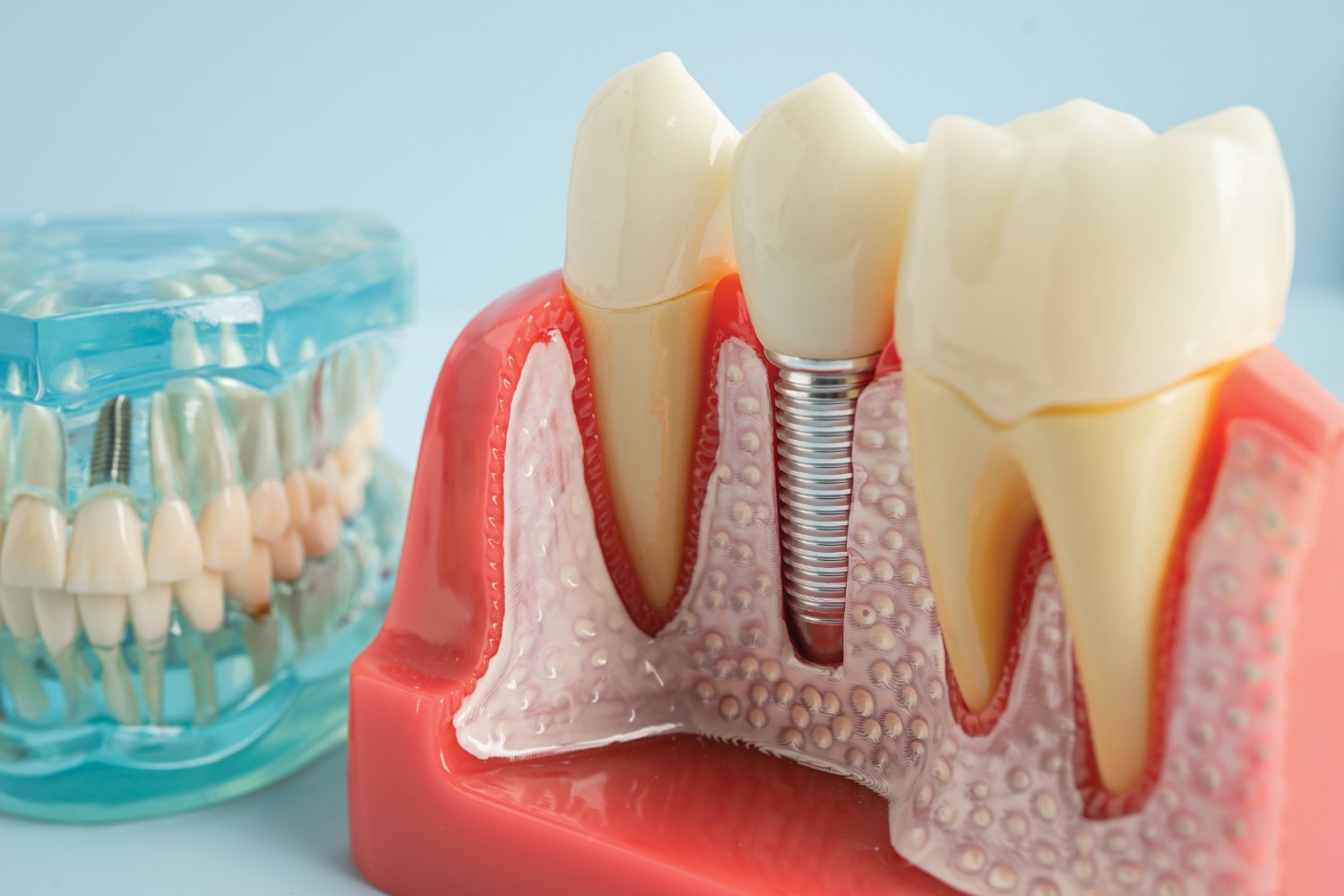
A dental implant is a permanent tooth replacement solution that functions like a natural tooth from the root up. A titanium post is placed directly into the jawbone, where it integrates with the surrounding bone through a process called osseointegration. Once healing is complete, a custom crown is attached on top, creating a restoration that looks, feels, and functions like a natural tooth.
Unlike Snap-On Smile, dental implants in Agoura Hills address the underlying structural problem of tooth loss rather than masking it cosmetically. When a tooth is lost, the jawbone beneath it begins to lose density because it no longer receives the stimulation it needs from chewing. Implants prevent this bone loss by replicating the function of a natural tooth root.
This is one of the most significant differences between the two options. Snap-On Smile sits on top of whatever situation exists in the mouth without changing it. Dental implants actively improve it.
Comparing the Two Options Directly
Here is how Snap-On Smile and dental implants compare across the factors that matter most to patients:
- Permanence — Snap-On Smile is removable and temporary. Dental implants are permanent and fixed in place
- Function — Snap-On Smile restricts eating and affects speech. Dental implants function like natural teeth with no dietary restrictions
- Bone health — Snap-On Smile does nothing to prevent bone loss. Dental implants actively stimulate the jawbone and preserve bone density
- Longevity — Snap-On Smile typically lasts three to five years with careful use. Dental implants can last decades, often a lifetime
- Oral hygiene — Snap-On Smile requires removal for cleaning and adds another step to the daily hygiene routine. Dental implants are cleaned exactly like natural teeth
- Underlying teeth — Snap-On Smile does not treat or improve the condition of the natural teeth underneath. Dental implants replace missing teeth and can be combined with other treatments like full mouth restoration for patients with more comprehensive needs
- Appearance — both can improve the appearance of the smile, though dental implants with high quality custom crowns typically deliver more natural, precise aesthetic results
When Snap-On Smile Makes Sense
It would be unfair to dismiss Snap-On Smile entirely. There are situations where it serves a genuine purpose.
Patients who are waiting for implant treatment and need a temporary cosmetic solution in the meantime may find it useful. Patients who want to preview the look of a smile change before committing to permanent treatment sometimes use it as a trial. And patients for whom surgery is not currently an option due to medical circumstances may find it a reasonable short-term measure.
The key word in all of these situations is temporary. Snap-On Smile is best understood as a bridge to something more permanent rather than a long-term solution in its own right.
When Dental Implants Are Clearly the Better Choice
For patients with one or more missing teeth who want a permanent, functional, natural feeling solution, dental implants are almost always the better long-term choice. The investment is higher upfront, but the lifetime value is significantly greater when you factor in the durability, the bone preservation benefit, the absence of ongoing maintenance costs, and the quality of daily life that comes with teeth that function exactly like natural ones.
Patients across Thousand Oaks, Westlake Village, Oak Park, and Hidden Hills who are considering both options often find that once they understand the full picture, the question stops being which is worth it and starts being how to make implant treatment work financially. Many practices offer dental implant financing options that spread the cost over time, making the permanent solution more accessible than patients initially assume.
For patients missing multiple teeth or a full arch, options like All-on-4 implants or All-on-6 implants provide a fixed, permanent full arch restoration that Snap-On Smile cannot replicate in terms of function, stability, or long-term oral health outcomes.
The Role of a Proper Consultation
The most important step in deciding between these two options is not reading comparison articles online. It is sitting down with an experienced implant dentist who can assess your specific situation, explain exactly what your options are, and give you honest guidance on what will deliver the best long-term result for your oral health and your lifestyle.
A consultation gives you real answers based on your actual teeth, bone density, and goals rather than general information that may or may not apply to your case. For patients across Agoura Hills, Calabasas, Newbury Park, Bell Canyon, and Lake Sherwood, taking that first step is what separates patients who find the right solution quickly from those who spend years managing a temporary fix while the underlying problem gets harder to treat.
