


If you have been researching veneers for any length of time, you have probably come across the term no prep veneers. They sound almost too good to be true. All the cosmetic benefits of traditional veneers with none of the enamel removal. No drilling. No temporary veneers while you wait for the permanent ones. Just a better looking smile with minimal intervention.
But like most things in dentistry that sound straightforward, the reality is a little more nuanced. No prep veneers are genuinely a great option for the right patient. For others, they are not the best path to the result they are hoping for. Understanding the difference is what separates a smile transformation you will love from one that falls short of your expectations.
Patients across Agoura Hills, Calabasas, Westlake Village, Thousand Oaks, Oak Park, Hidden Hills, Newbury Park, Bell Canyon, and Lake Sherwood who have been searching for no prep veneers near you and wondering whether they are the right choice for your specific situation will find an honest, complete answer in this guide before committing to anything.
What No Prep Veneers Actually Are
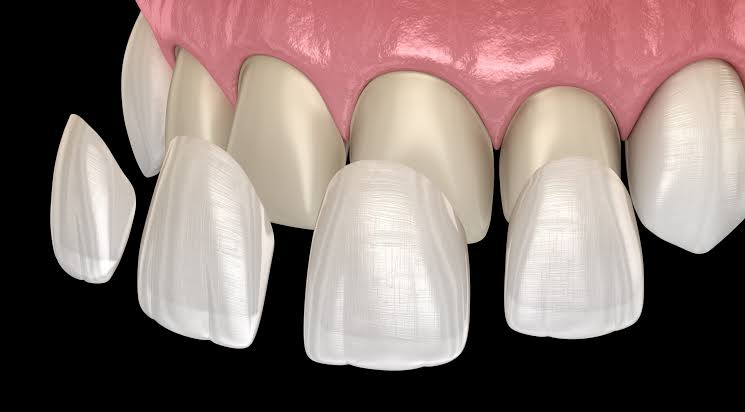
Traditional veneers require removing a small layer of enamel from the front surface of each tooth before the veneer is bonded in place. This step creates room for the veneer to sit naturally against the tooth without looking thick or bulky. Because enamel does not grow back, this makes traditional veneers an irreversible commitment.
Minimal prep veneers take a different approach. They are made from an ultra thin material, typically porcelain, that is so fine it can be bonded directly to the tooth surface without removing any enamel beforehand. The result is a veneer that sits on top of the natural tooth rather than replacing a thin layer of it.
Minimal prep veneers fall somewhere in between. They require a very small amount of enamel removal, significantly less than traditional veneers, but not zero. For patients across Thousand Oaks, Oak Park, and surrounding communities who want the most conservative approach possible while still achieving a significant smile improvement, minimal prep is often the best middle ground.
Who Is the Best Candidate for No Prep Veneers
This is where honest dentistry matters most. Minimal prep veneers are genuinely excellent for certain patients and genuinely unsuitable for others. A provider who recommends them for everyone regardless of individual tooth structure is not prioritizing your best outcome.
No prep veneers tend to work best for patients who have:
- Smaller than average teeth that would benefit from added size and shape
- Naturally thin or slightly worn teeth where adding a veneer layer improves rather than thickens the appearance
- Gaps between teeth that need closing without significant shape changes
- Minor discoloration that hasn’t responded to professional teeth whitening but doesn’t require major color correction
- Teeth that are already well aligned with only subtle cosmetic concerns to address
The key factor is that no prep veneers add thickness to the tooth rather than replacing a thin layer of it. For patients whose teeth are already a normal size, bonding an ultra thin veneer on top without any preparation can result in teeth that look slightly too large or feel bulkier than they should. This is not a flaw in the material. It is a patient selection issue that an experienced cosmetic dentist identifies during the consultation stage.
When Traditional or Minimal Prep Veneers Are a Better Fit
Patients with teeth that are already a normal or larger size tend to get better results with traditional or minimal prep veneers. The small amount of enamel removed creates the space needed for the veneer to sit in a natural position rather than on top of the existing tooth profile.
Patients with significant discoloration, particularly deep staining that minimal prep veneers cannot fully mask due to their ultra thin nature, may also find that porcelain veneers deliver a more complete and consistent color correction.
Cases involving significant misalignment, larger gaps, or structural concerns like chips and cracks that require reshaping the tooth rather than simply covering it are often better suited to a traditional or minimal prep approach, sometimes in combination with Invisalign treatment to address alignment before veneers are placed. This is a particularly common combination for patients in Westlake Village, Calabasas, and Hidden Hills who want a complete smile transformation rather than a single cosmetic fix.
The Consultation Is Where the Decision Gets Made
The honest answer to whether minimal prep veneers are right for your smile is this: it depends on your teeth, and the only way to know for certain is through a proper consultation with an experienced cosmetic dentist.
During a consultation, your dentist will assess several factors that determine which type of veneer is most appropriate. These include the current size and shape of your teeth, the thickness of your existing enamel, the alignment of your bite, the degree of color correction needed, and the specific cosmetic concerns you want to address.
Modern cosmetic dentistry also makes it possible to preview your result before any work begins. Digital smile design tools allow patients to see a projected image of their smile with no prep or minimal prep veneers in place before committing to treatment. This transparency is one of the most valuable parts of the consultation process and something worth asking about when evaluating a provider.
What the No Prep Veneer Process Actually Involves
For patients in Agoura Hills, Newbury Park, Bell Canyon, and Lake Sherwood who are confirmed candidates for no prep veneers, the process is notably simpler and faster than traditional veneer treatment. Here is what it typically looks like:
- A thorough consultation including digital scans and a smile preview
- Impressions or digital scans sent to a dental lab for custom fabrication
- A fitting appointment where the veneers are bonded directly to the teeth without any preparation
- A follow up visit to confirm fit, comfort, and bite alignment
Because no enamel is removed, no temporary veneers are needed during the fabrication period, which typically takes one to two weeks. Many patients find the process significantly more comfortable than they expected, particularly those who had concerns about sensitivity or the drilling involved in traditional preparation.

How Long No Prep Veneers Last
With proper care, no prep porcelain veneers can last ten to fifteen years or longer, which is comparable to traditional porcelain veneers. The longevity of any veneer depends more on the quality of the material, the skill of the placement, and the patient’s daily habits than on whether preparation was involved.
Caring for no prep veneers is the same as caring for any other veneers. Brush and floss normally, attend regular dental checkups, avoid habits that put unnecessary stress on the front teeth, and use a nightguard if you grind your teeth during sleep. Patients who follow these habits consistently and attend regular checkups tend to get the longest life from their veneers regardless of which type they chose.
For patients who experience veneer wear or damage over time, a follow-up consultation can explore options like veneer replacement or transitioning to a full mouth restoration if more comprehensive treatment becomes appropriate down the line.
Why the Provider Makes the Biggest Difference
No prep veneers require a high level of aesthetic skill to place well. Because there is no preparation to reshape the tooth, the entire result depends on how precisely the veneer is designed, how accurately it is positioned, and how carefully the color and translucency match the surrounding teeth.
An experienced cosmetic dentist who regularly places no prep and minimal prep veneers will have the eye for detail and technical precision that these cases require. For patients across Agoura Hills, Calabasas, Westlake Village, Thousand Oaks, Oak Park, Hidden Hills, Newbury Park, Bell Canyon, and Lake Sherwood, choosing a provider with a strong cosmetic portfolio and real case experience makes all the difference in the final result.
Reviewing before and after photos of real no prep veneer cases completed by that provider gives you the clearest possible picture of what your result might look like. A dentist confident in their cosmetic work will have no hesitation sharing their results.
