

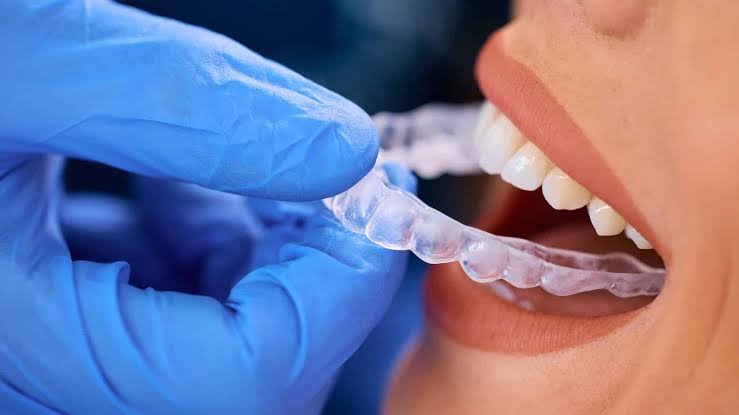
There is a moment many adults have when they look in the mirror and notice their teeth. Maybe they have shifted since the braces they had as a teenager. Maybe they never got braces at all and have always lived with a smile they were not fully comfortable with. And then the thought arrives: is it too late to do something about this?
The short answer is no. It is not too late. Not in your thirties. Not in your forties. And not beyond that either.
Orthodontic treatment has no upper age limit. Teeth move at any age as long as the supporting bone and gum tissue are healthy. What has changed in recent years is that the options available to adult patients have improved dramatically, and Invisalign in Agoura Hills has become the treatment of choice for the vast majority of adults who decide to finally do something about their smile.
Here is what adults in their thirties and forties actually need to know before starting.
Why Adults Put It Off for So Long?
Most adult patients who come in for an Invisalign consultation describe the same pattern. They have been thinking about it for years. Something always got in the way. The timing was never quite right. The cost felt too significant. The idea of wearing braces as an adult felt embarrassing.
And then something shifts. A milestone birthday. A professional opportunity. A photograph they did not like. And they finally book the appointment they had been putting off for a decade.
The pattern is so common it almost deserves its own name. And what these patients consistently report after completing treatment is the same thing too: they wish they had done it sooner.
Does Age Affect How Invisalign Works?
Teeth move throughout life. The biological mechanism behind orthodontic tooth movement, pressure applied to a tooth causing the bone on one side to resorb and new bone to form on the other, works the same way at forty as it does at fourteen.
What does change slightly with age is the rate of bone remodeling. Younger bone tends to remodel a little faster than older bone, which means orthodontic treatment can in some cases take slightly longer for older adult patients than for teenagers. The difference is not dramatic for most patients and is easily accounted for in the treatment plan.
Gum health becomes more of a consideration in adult patients. Gum disease, which is more prevalent in adults than teenagers, needs to be assessed and treated before Invisalign can begin. An adult with healthy gums and good oral hygiene is an excellent candidate regardless of age.
What Makes Invisalign Particularly Well Suited to Adults?
Traditional metal braces are effective, but for most adults the visibility of fixed brackets and wires throughout treatment is a significant deterrent. Invisalign solves this entirely.
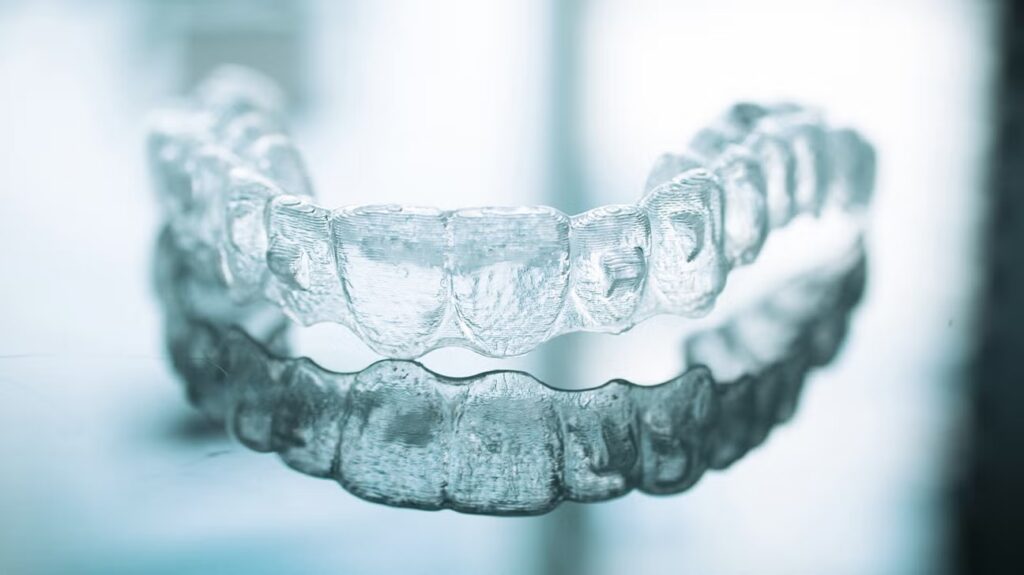
The aligners are clear, custom-fitted to the teeth, and virtually invisible during normal conversation. Most people will not notice them unless they are specifically looking. For adults in professional settings, client-facing roles, or social situations where appearance matters, this is not a minor convenience. It is what makes treatment actually viable.
The removable nature of the aligners makes daily life during treatment far simpler than braces allow. Eating, brushing, flossing, and attending social events all happen normally. The aligners come out, the activity happens, the aligners go back in. No dietary restrictions. No special cleaning tools. No self-consciousness about metal brackets showing in photographs.
Fewer office visits also suits adult life. Invisalign check-ins are typically every six to eight weeks, compared to monthly adjustment appointments with traditional braces. For patients managing careers, families, and busy schedules, the reduced appointment frequency is a practical advantage that makes the commitment feel manageable rather than overwhelming.
What Adult Patients Are Actually Treating?
The concerns that bring adults to Invisalign consultations in their thirties and forties tend to fall into a few consistent categories.
Orthodontic relapse is the most common. Adults who had braces as teenagers and stopped wearing their retainers sometime in their twenties often find that their teeth have gradually drifted back toward their original positions. The shifts are usually less severe than the original misalignment, which means treatment times for relapse cases are often shorter than the original treatment was.
Crowding that was never treated is another common presentation. Adults who never had orthodontic treatment as children and have been living with crowded or overlapping teeth often reach a point where they decide the time has come to address it.
Spacing and gaps are also frequently treated. Gaps between teeth that have widened over time, or that were always present and always bothered the patient, respond well to clear aligner treatment in adults of any age.
And bite issues, overbites, underbites, crossbites, that have caused wear or discomfort over years of use sometimes bring adults in specifically because the functional impact has become more significant with age.
How Invisalign Treatment Works for Adult Patients?
The process for adult Invisalign patients is straightforward and largely identical to the standard treatment sequence with a few additional considerations.
The consultation begins with a comprehensive assessment of the teeth, gums, and bite. In adult patients this includes a careful periodontal evaluation to confirm that the gum tissue and supporting bone are healthy enough to support tooth movement. Any active gum disease or untreated decay needs to be addressed before Invisalign begins.
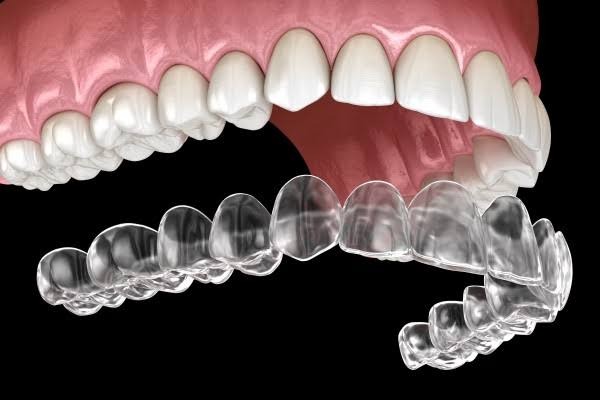
Digital scans replace traditional impressions, creating a precise 3D model of the teeth in minutes. The ClinCheck treatment planning software maps out every tooth movement from the current position to the final result, and patients see a digital preview of their projected outcome before a single aligner is fabricated.
For adult patients who are considering additional cosmetic work alongside their Invisalign treatment, this consultation stage is also when broader smile planning happens. Patients who want porcelain veneers to refine the final result after alignment, or professional teeth whitening to complete the cosmetic outcome, discuss the sequencing of these treatments with their provider so the full plan is coordinated from the start.
Aligners are worn for twenty to twenty-two hours per day and changed every one to two weeks according to the treatment plan. Check-in appointments monitor progress and ensure tracking is on schedule. When active treatment is complete retainers are worn to maintain the result long term.
The Cost Question
Cost is one of the most common reasons adults give for having put off Invisalign for years. The investment is real, and it is worth being honest about.
Invisalign treatment costs vary depending on the complexity of the case and the experience level of the provider. Most adult cases fall within a range that, while significant, is comparable to what patients spend on other meaningful investments in their health and appearance.
Most practices offer payment plans and financing options that spread the cost across the treatment period. For adult patients who finally decide the time is right, financing makes the commitment accessible without requiring a large upfront payment.
It is also worth considering the other side of the cost equation. Adults who complete Invisalign treatment consistently report that the value they received, measured in daily confidence, professional impact, and simple satisfaction with their smile, far exceeded what the financial investment suggested on paper.
What About Cosmetic Work After Invisalign?
Many adult patients in their thirties and forties combine Invisalign with additional cosmetic dentistry to achieve a complete smile transformation. Aligners handle the position and alignment of the teeth. Cosmetic treatments address the color, shape, and overall appearance.
The sequence matters. Orthodontic work comes first because the final position of the teeth is what determines how cosmetic treatments are planned. Placing veneers before straightening the teeth means the veneer placement is based on misaligned positions, which can compromise both the aesthetic and functional outcome.
For patients who also have missing teeth alongside alignment concerns, discussing dental implants as part of the overall treatment plan before starting Invisalign ensures the space management during orthodontic treatment is planned correctly for the eventual implant placement.

