

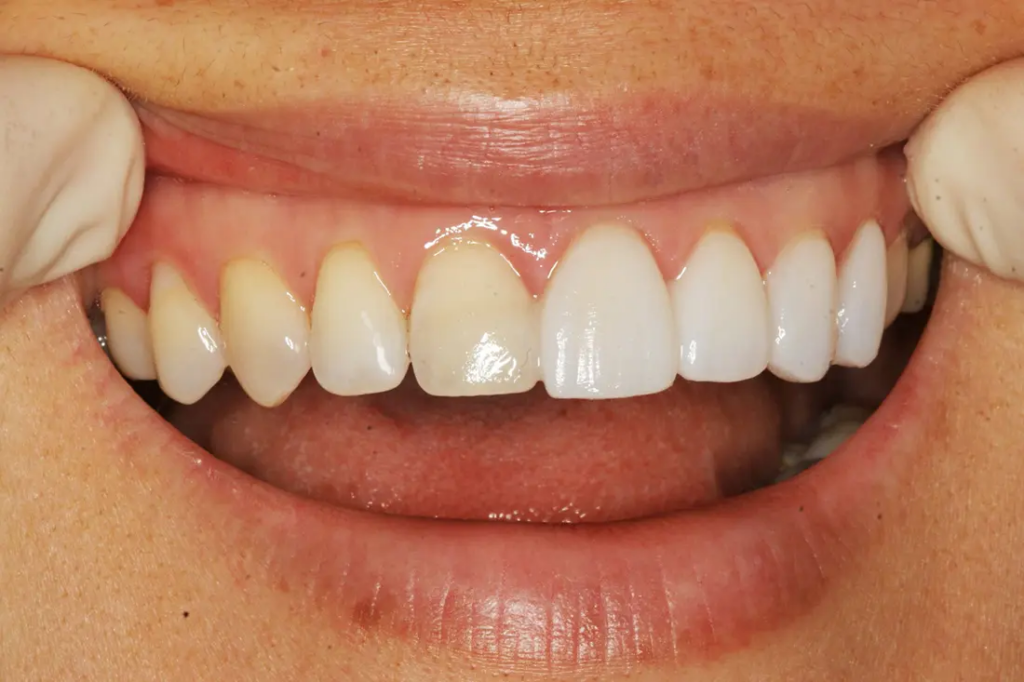
Most patients who get veneers love their results. They describe the experience as life changing, the kind of cosmetic improvement that genuinely shifts how they feel about their smile every single day. But not every veneer experience goes that way.
Some patients end up with results that look too white, too bulky, or too uniform to look natural. Others develop sensitivity that does not settle down. Some notice their veneers chipping sooner than expected. And a small number of patients find themselves in the difficult position of having paid a significant amount of money for a smile they are not happy with.
Understanding what goes wrong, why it happens, and what can actually be done to fix it gives patients a clearer picture of their options and helps those still in the planning stage make better decisions before committing to treatment.
Why Veneers Go Wrong in the First Place
Before getting into solutions it helps to understand the most common reasons veneer results fall short of expectations.
The most frequent cause is provider selection. Veneers require a high level of aesthetic skill and clinical precision. A dentist who does not regularly perform cosmetic work, who rushes through the planning phase, or who does not use digital smile design to preview the outcome before preparation begins is much more likely to produce a result that misses the mark.
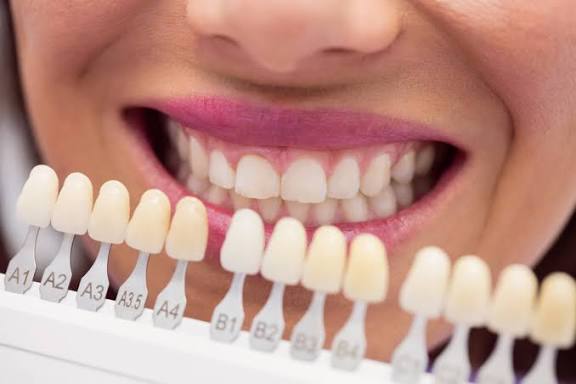
Poor shade selection is another common issue. Veneers that are too white for a patient’s skin tone, facial features, or surrounding teeth look artificial and obvious. Natural-looking veneers require careful, individualized shade selection rather than simply choosing the whitest option available.
Improper preparation is also a significant factor. If too much enamel is removed during preparation the teeth beneath can become permanently sensitive. If the margins are not precise the veneers may not seal correctly against the tooth, creating entry points for bacteria and eventual decay of the natural tooth underneath.
And sometimes the issue is simply a mismatch between what the patient expected and what was delivered. This usually points back to a consultation that did not include a proper digital preview, leaving the patient without a clear picture of the planned outcome before they committed to permanent work.
1. Veneers That Look Unnatural
This is the most common complaint patients have about veneer results they are unhappy with. Teeth that look too white, too perfectly symmetrical, or too uniform to look like real teeth.
Natural teeth have subtle variations in shade, translucency, and surface texture. Veneers that ignore these variations and go for a uniformly bright, perfectly aligned result often end up looking more like a mouthful of piano keys than a natural smile.
If your veneers in Agoura Hills look unnatural and you are unhappy with the aesthetic result, the solution depends on the degree of the problem. Minor shade or texture concerns can sometimes be addressed by refinishing the surface of the veneers in place. More significant aesthetic issues, particularly those involving the shape or size of the veneers, typically require replacement with a new set planned more carefully from the start.
The replacement process involves working with a provider who uses digital smile design to preview the new result before any preparation begins, taking the time to select a shade and shape that genuinely fits your face and complements your natural features.
2. Sensitivity That Does Not Go Away
Mild sensitivity in the first few weeks after veneer placement is normal. The teeth have been prepared and the nerve inside can be temporarily more reactive than usual. This typically settles down within two to four weeks as the teeth adjust.
Sensitivity that persists beyond this period, or that is severe enough to affect daily life, is a sign that something needs attention.
The most common cause of persistent post-veneer sensitivity is over-preparation. If too much enamel was removed during preparation the nerve inside the tooth is less well protected than before the veneers were placed. In significant cases the tooth may eventually require root canal treatment to resolve the sensitivity permanently.
Less severe cases can sometimes be managed with desensitizing treatments applied professionally or with prescription-strength sensitivity products. A thorough assessment by your dentist determines which approach is appropriate based on the degree of sensitivity and the clinical findings.

3. Veneers That Chip or Break Too Soon
Porcelain veneers are durable, but they are not indestructible. Chipping or fracture within the first few years of placement, before the expected lifespan of ten to fifteen years, is a sign that something went wrong either during placement or in how the bite was managed.
Bite alignment is one of the most common culprits. If a veneer is placed without carefully assessing and adjusting how the upper and lower teeth meet, certain veneers may receive excessive biting force that causes them to fracture over time. This is particularly common in patients who grind their teeth and did not receive a nightguard as part of their post-treatment care.
For patients in Agoura Hills, Westlake Village, Calabasas, Thousand Oaks, and surrounding communities dealing with chipped or fractured veneers, the fix depends on the extent of the damage. Small chips can sometimes be repaired with composite bonding. Larger fractures require replacement of the veneer.
Going forward the key is addressing the underlying cause. If grinding is contributing to veneer fracture a custom nightguard is essential to protect the new restoration. If bite alignment was the issue it needs to be properly assessed and corrected before replacement veneers are placed.
4. Veneers That Feel Too Bulky or Thick
Veneers that feel thick or bulky in the mouth are usually the result of inadequate preparation or poor communication during the planning phase.
When a veneer is placed without sufficient enamel reduction the veneer simply adds thickness to the existing tooth profile. The result is a tooth that feels larger and more prominent than the natural tooth did. Patients sometimes describe this as feeling like they have something permanently stuck to their teeth.
The solution in most cases is replacement with veneers that were preceded by proper preparation. This means a new provider assessing how much additional preparation is needed, discussing the expected result using digital smile design, and ensuring the new veneers sit naturally within the existing tooth profile.
For patients who want to avoid this issue from the start, no-prep veneers are only appropriate for teeth that are smaller than average. Patients with normal or larger teeth generally need some degree of preparation to ensure the veneer sits naturally and does not add visible bulk.
5. Decay Developing Under Existing Veneers
This is a serious problem that requires prompt attention. Decay can develop at the margin between the veneer and the natural tooth at the gum line, particularly in patients who do not clean this area thoroughly as part of their daily hygiene routine.
Signs of decay under a veneer include increased sensitivity, a dark line or discoloration at the gum margin, or a veneer that has started to feel loose. If any of these are present contact your dentist promptly.
Depending on the extent of the decay the veneer may need to be removed to allow the decay to be treated before a replacement veneer is placed. In severe cases where the decay has reached the nerve, the tooth may require root canal treatment before a new restoration can be placed.
6. How to Avoid These Problems in the First Place
For patients who are still in the planning stage and have not yet committed to veneer treatment, the best protection against these outcomes is provider selection.
Choose a dentist who regularly performs cosmetic work and can show you a portfolio of real patient results. Ask specifically about digital smile design and insist on seeing a preview of your planned outcome before any preparation begins. Ask how the bite will be assessed and managed. Ask about the shade selection process. Ask what happens if you are not happy with the result.
A provider who welcomes all of these questions and answers them with confidence and specificity is one who takes the planning phase seriously. And meticulous planning is what separates veneer results patients love from ones they regret.
For patients who are already unhappy with existing veneers, seeking a second opinion from an experienced cosmetic dentist is always the right first step. An honest assessment of what went wrong and what can be done to correct it gives you a clear path forward rather than leaving you managing a result you are not satisfied with.
