

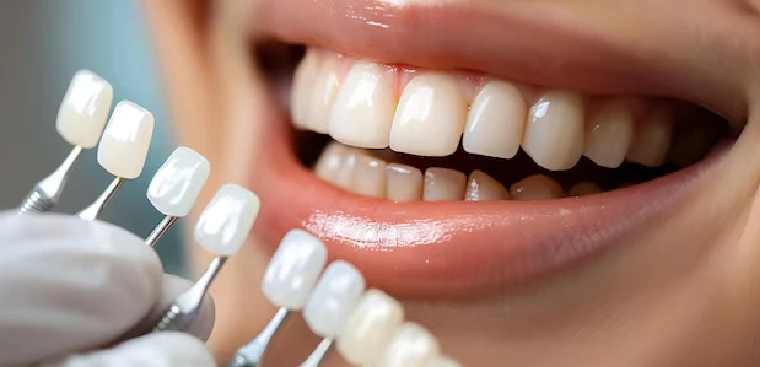
Porcelain veneers can improve the appearance of chipped, stained, or uneven teeth, creating a more balanced and natural-looking smile. Although these thin ceramic restorations are made to withstand normal everyday activities, they are not completely resistant to damage. Biting something hard, experiencing an accidental impact, or grinding your teeth can sometimes cause a veneer to chip, crack, or become loose.
Discovering a damaged veneer can be concerning, especially when it affects a visible front tooth. You might notice a rough edge, increased sensitivity, or a small piece of porcelain missing from your smile. In some situations, the entire veneer may separate from the tooth. While this does not always indicate a serious dental emergency, it should not be ignored.
If you are dealing with a damaged veneer, understanding what happened and knowing how to protect your tooth can help prevent additional problems. Patients considering or already wearing porcelain veneers in Agoura Hills should also understand the available repair options and preventive care practices that support long-term oral health.
Can Porcelain Veneers Chip, Crack, or Break?
Yes. Porcelain veneers are durable cosmetic restorations, but their thin structure means they can fracture when exposed to excessive pressure or sudden impact.
A damaged veneer may appear differently depending on the type and severity of the problem.
Chipped Porcelain Veneer
A chipped veneer typically has a small portion of porcelain missing from its edge or surface. You may feel a rough area when running your tongue across the tooth or notice a visible change in its shape.
Small chips are sometimes primarily cosmetic, but a sharp edge may irritate your tongue or lips.
Cracked Porcelain Veneer
A cracked veneer may develop a visible fracture line without completely breaking apart. Some cracks are difficult to see and become noticeable only under certain lighting conditions.
Even when the veneer remains attached, the fracture can weaken the restoration. Continued pressure may cause the crack to spread or lead to further damage.
Loose or Detached Veneer
Sometimes, the adhesive bond holding the veneer to the natural tooth weakens, allowing it to loosen or fall off.
A detached veneer does not automatically mean the underlying tooth is damaged. However, previously prepared enamel may become exposed, increasing sensitivity to temperature changes or contact.
A dentist must examine both the veneer and the tooth before determining whether reattachment is possible.
What Should You Do Immediately if a Veneer Falls Off?
If your dental veneer falls off, avoid panicking or attempting to attach it yourself. Taking a few simple precautions can help protect the exposed tooth until your appointment.
- Save the veneer: If you find the detached restoration, place it in a clean, secure container and bring it to your dental appointment.
- Avoid household adhesives: Never use superglue, craft glue, or other household products to reattach dental restorations.
- Protect the affected tooth: Avoid chewing directly on the exposed area, especially if it feels sensitive.
- Choose softer foods: Avoid hard, crunchy, or sticky foods that could place additional pressure on the damaged area.
- Maintain gentle oral hygiene: Continue brushing carefully with a soft-bristled toothbrush and clean around the affected tooth.
- Contact your dentist: Explain whether the veneer chipped, cracked, loosened, or came off completely.
If the veneer is loose but still attached, avoid pulling it off yourself. Contact your dentist for advice about preventing further damage.
Prompt dental attention is particularly important when the exposed tooth becomes painful or the restoration has sharp edges.
Why Do Porcelain Veneers Become Damaged?
Several factors can contribute to veneer damage. Identifying the underlying cause is important because simply replacing the restoration without addressing the original problem may lead to repeated complications.
Excessive Pressure From Hard Foods
Porcelain veneers are intended for normal chewing, but biting ice, hard candy, or unusually hard objects can create concentrated pressure.
Using teeth to open packaging or bite fingernails can also damage the edges of ceramic restorations.
Teeth Grinding and Clenching
Bruxism, the habit of grinding or clenching teeth, places repeated stress on both natural teeth and dental restorations.
This pressure can contribute to porcelain fractures, adhesive bond problems, and premature wear.
Patients with nighttime grinding habits may benefit from a professionally fitted night guard after a dental evaluation.
Accidental Injuries or Dental Trauma
Sports injuries, falls, and accidental impacts can damage porcelain veneers.
The impact may also affect the natural tooth underneath, even if the visible damage appears limited to the restoration.
A dental examination is especially important when veneer damage follows an accident.
Aging Restorations and Bonding Problems
Dental veneers experience years of chewing forces and exposure to the oral environment.
Over time, changes in bonding materials, gum position, or underlying tooth structure may affect restoration stability.
Decay around veneer margins can also compromise the supporting tooth, making professional assessment necessary.
Can a Chipped or Cracked Porcelain Veneer Be Repaired?
Whether a damaged veneer can be repaired depends on the extent of the fracture, the condition of the remaining ceramic, and the health of the underlying tooth.
Not every damaged veneer requires complete replacement, but certain fractures cannot be predictably restored.
Minor Chips and Cosmetic Dental Bonding
For certain small chips, a dentist may consider composite bonding to restore the affected area.
Tooth-colored composite resin can sometimes improve the shape and appearance of a damaged restoration. However, bonding to porcelain requires specific techniques, and the repaired area may not have the same durability or stain resistance as an intact ceramic surface.
Patients should understand that some minor repairs are temporary or less predictable than replacing the veneer.
Reattaching an Intact Veneer
If a veneer falls off in one piece, reattachment may be possible.
The dentist first checks the restoration for cracks, evaluates the tooth surface, and determines why the adhesive bond failed.
If both surfaces remain suitable, the veneer may be cleaned, prepared, and bonded again using appropriate dental materials.
However, a veneer affected by underlying decay, poor fit, or significant damage may not be suitable for reuse.
Replacing a Severely Damaged Veneer
A porcelain veneer with an extensive fracture or compromised structure may require complete replacement.
During replacement, the dentist removes any remaining restoration material, evaluates the tooth, and records impressions or digital scans for a new custom veneer.
The replacement is designed to complement neighboring teeth and restore the intended tooth shape.
Patients can explore cosmetic dentistry treatment options when discussing the most appropriate solution for their dental needs.
Is a Broken Veneer Considered a Dental Emergency?
A small chip without pain or exposed sharp edges is not always an immediate emergency. However, a damaged veneer should still be evaluated because the condition of the underlying tooth cannot be confirmed by appearance alone.
More urgent attention is appropriate when you experience:
- Severe or increasing tooth pain
- A sharp fragment cutting your cheek, tongue, or lips
- Significant sensitivity following an injury
- A loose restoration that could be swallowed or inhaled
- Bleeding, swelling, or visible damage to the natural tooth
- Signs of infection, including fever or facial swelling
If you experience significant facial swelling with difficulty breathing or swallowing, seek emergency medical care immediately.
For other urgent concerns, contacting an emergency dentist in Agoura Hills can help you determine the appropriate next steps.
How Can You Prevent Porcelain Veneers From Breaking?
Although no dental restoration lasts forever, good oral care and sensible daily habits can help reduce avoidable damage.
Maintain Proper Oral Hygiene
Brush twice daily with a soft-bristled toothbrush and fluoride toothpaste. Floss regularly to remove plaque around veneer margins and between teeth.
Keeping the natural tooth structure and surrounding gums healthy helps maintain the foundation supporting your restorations.
Avoid Habits That Damage Teeth
Avoid chewing ice, biting pens, opening packages with your teeth, or repeatedly biting hard objects.
If you frequently clench or grind your teeth, discuss the problem with your dentist rather than waiting for restoration damage to occur.
Attend Regular Dental Checkups
Routine dental examinations allow your dentist to assess veneer edges, gum health, bite alignment, and signs of wear.
Early identification of bonding problems or excessive pressure may help prevent more extensive complications.
Get in Touch
How Long Do Porcelain Veneers Last Before Replacement?
Porcelain veneers commonly last around 10 to 15 years, although some require replacement earlier and others remain functional longer.
Their lifespan depends on restoration quality, oral hygiene, bite forces, dental health, and daily habits.
A veneer does not necessarily need replacement simply because it has reached a particular age. Instead, dentists evaluate its condition, function, appearance, and the health of the underlying tooth.
If an older veneer develops repeated chips, discoloration around the margins, or bonding problems, a dental assessment can help determine whether repair or replacement is appropriate.
Conclusion
A chipped, cracked, or detached porcelain veneer can be frustrating, particularly when it affects your smile or causes sensitivity. Fortunately, many veneer-related problems can be managed through professional dental care.
The most appropriate treatment depends on the extent of the damage, the condition of the underlying tooth, and the cause of the problem. Minor defects may sometimes be repaired, while larger fractures or weakened restorations may require replacement.
Avoid attempting home repairs, protect the affected tooth, and seek professional guidance when damage occurs. Regular dental appointments, careful chewing habits, and consistent oral hygiene can also help maintain your veneers and protect your natural teeth.
Frequently Asked Questions
Can I temporarily glue a porcelain veneer back onto my tooth?
No. Household adhesives can damage the veneer or tooth and create additional complications. Keep the restoration in a clean container and contact your dentist for professional assessment.
Does a chipped veneer always need replacement?
Not always. Minor chips may be polished or repaired with composite material. Larger fractures or structural damage may require a new veneer. Your dentist will recommend treatment after examining the restoration.
Can I eat normally if my porcelain veneer falls off?
Avoid chewing on the affected tooth until it has been examined. Choose softer foods and avoid extreme temperatures if the exposed tooth is sensitive.
Will my natural tooth be damaged if a veneer breaks?
Not necessarily. Sometimes only the porcelain restoration is affected. However, an exposed or injured tooth may require treatment, so a professional evaluation is important.
Can teeth grinding cause porcelain veneers to crack?
Yes. Repeated grinding and clenching can place excessive pressure on veneers. A dentist may recommend a custom night guard and other measures to manage these forces.
