

Yes, many people with diabetes can receive dental implants following an individual assessment. Diabetes does not automatically rule out treatment.
However, blood sugar management, gum health, and healing capacity influence the decision. Your dentist also considers medications, medical complications, and the condition of your jawbone.
The important question is whether treatment is appropriate for your current health. A consultation helps identify any preparation needed before surgery.
How Diabetes Can Affect Implant Treatment?
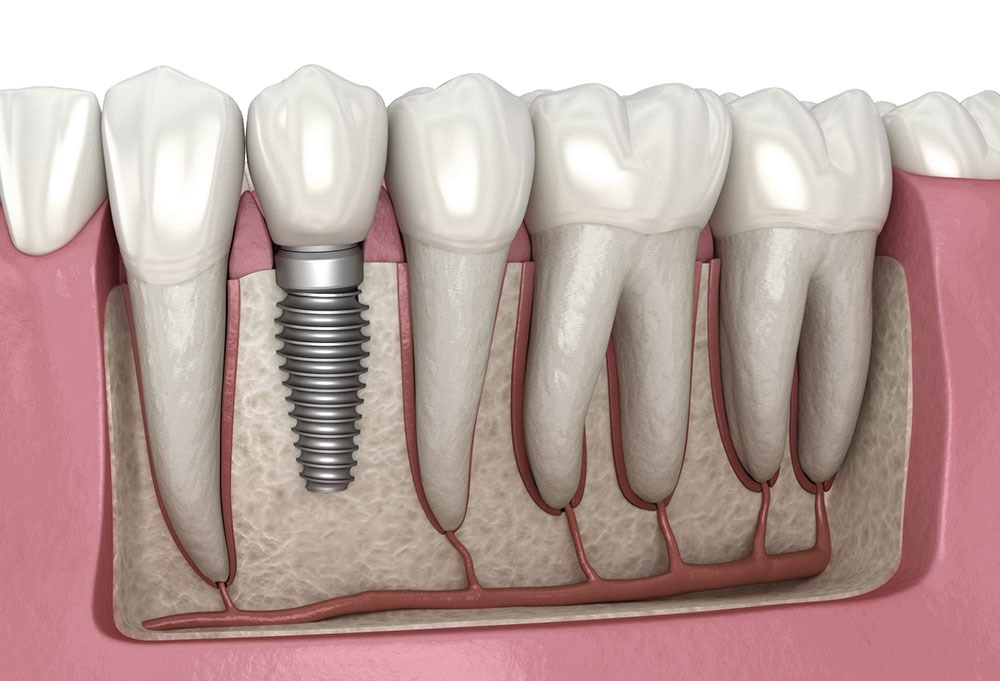
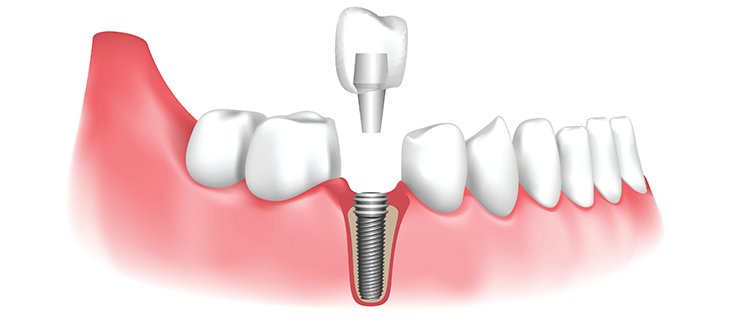
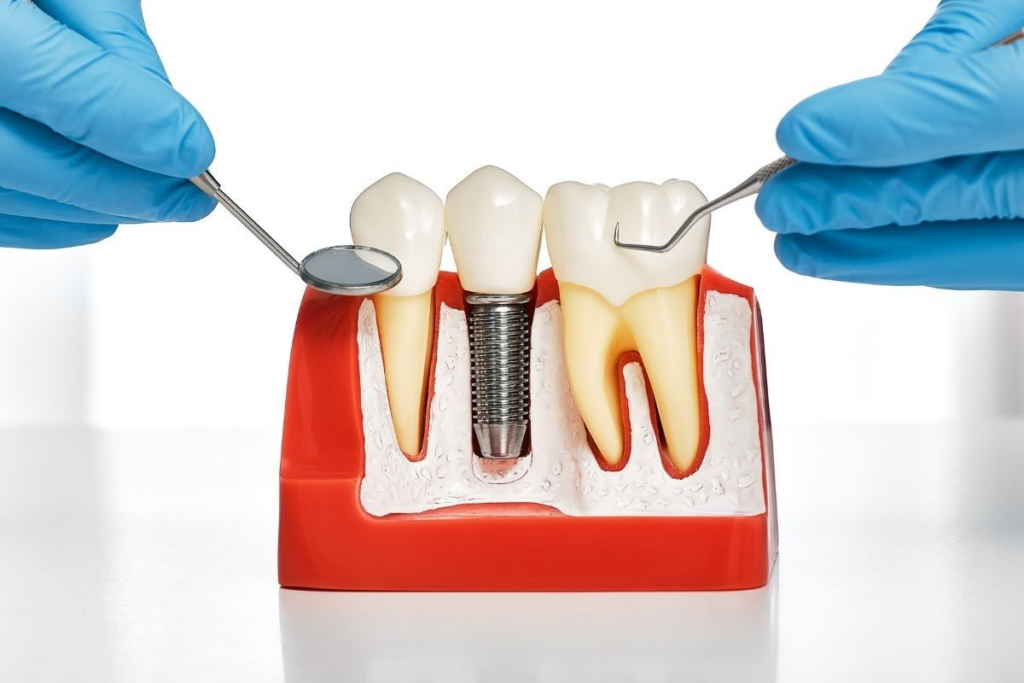
Dental implants replace missing tooth roots and support crowns, bridges, or dentures. After placement, the surrounding bone needs to integrate with the implant.
Diabetes can affect this healing process, especially when blood glucose remains above your recommended range. Poorly managed diabetes can also increase infection risks.
If you are considering dental implants in Agoura Hills, share your diabetes history during the initial consultation. Include recent changes in your health and treatment.
The FDA identifies uncontrolled diabetes as a factor that may increase infection-related implant failure risks. This makes medical assessment important before treatment.
Does Well-Managed Diabetes Improve Suitability?
Well-managed diabetes can support a more favorable assessment, although it does not guarantee implant success.
Research shows that implants can be successful in people with diabetes. Outcomes depend on multiple factors, including glucose management and surrounding tissue health.
Your dentist evaluates these factors together. A reassuring laboratory result cannot replace an examination of your mouth.
Likewise, having diabetes does not mean every implant procedure carries the same risk. Replacing one tooth differs from treating an entire arch.
Ask which aspects of your health support treatment and which need improvement. Understanding your individual risks is more useful than relying on general success percentages.
What Blood Sugar Information Should You Bring?
Your dental team may ask for recent blood glucose information and an HbA1c result. HbA1c reflects average blood glucose over approximately three months.
The result helps provide context alongside your medical history. Your dentist may need to discuss it with your diabetes care clinician.
There is no single HbA1c number that guarantees safe implant treatment for everyone. The decision also depends on the procedure and your other health needs.
If you do not have recent results, ask whether updated testing is needed.
Avoid changing your diabetes treatment simply to meet a number found online. Your medical clinician should guide any changes.
Also explain whether you experience frequent low blood sugar episodes. Appointment planning needs to consider both high and low glucose risks.
Why Gum Health Needs Attention First?
People with diabetes have a higher chance of developing periodontal disease. This infection affects the gums and bone supporting natural teeth.
Gum disease can cause bleeding, swelling, persistent bad breath, and tooth loss. It may also make blood sugar management more difficult.
Your dentist checks for existing inflammation and infection before recommending implant placement. Treatment may need to begin with improving periodontal health.
Depending on the findings, gum disease treatment in Agoura Hills may become an important preparatory step.
Healthy-looking teeth do not exclude gum problems. Mention bleeding during brushing or changes in how your teeth feel.
Diabetes can also contribute to dry mouth. Tell your dentist about persistent dryness because it can affect your wider oral health.
What Else Will Your Dentist Assess?
Blood sugar is only one part of the consultation. Your dentist also evaluates whether the proposed replacement can function comfortably.
The assessment considers available bone, the position of neighboring teeth, and your bite. Appropriate imaging helps clarify the proposed implant sites.
Discuss smoking, previous healing problems, and existing dental restorations. Bring details of medical conditions beyond diabetes.
Your dentist should also consider how easily you can clean the final replacement teeth. Maintenance becomes especially important with larger restorations.
Ask what information remains uncertain after the first appointment. You should understand whether further records or medical coordination are needed.
At Agoura Advanced Dentistry, patients can discuss implant options alongside their existing dental concerns and treatment goals.
Questions to Ask During Your Consultation
Bring written questions so you can review the answers afterward. These are useful starting points:
- Is my diabetes sufficiently managed for the proposed procedure?
- Do you need updated laboratory results or information from my medical clinician?
- Is there gum disease or infection that needs treatment first?
- Will I need bone grafting or another preparatory procedure?
- Would staged treatment be more appropriate than immediate replacement teeth?
- How should I coordinate meals, medication, and glucose monitoring?
- What temporary tooth replacement could I use during healing?
- What will follow-up care involve?
Ask for explanations in language you understand. A useful consultation should connect recommendations to your specific findings.
If you are unsure about an answer, request clarification before scheduling surgery.

Can Patients With Diabetes Receive Full-Arch Implants?
Diabetes does not automatically exclude full-arch treatment. However, the assessment must account for the scope of surgery and healing demands.
For patients missing all teeth in one jaw, All-on-4 dental implants in Agoura Hills may be among the options discussed.
This approach uses four implants to support a complete arch of replacement teeth. It does not remove diabetes-related risks.
The number of implants alone cannot establish which treatment is appropriate. Bone condition, bite forces, medical health, and restoration design also matter.
Same-day temporary teeth are not suitable for every patient. Your dentist may recommend allowing additional healing before attaching replacement teeth.
Our full-arch service information acknowledges that uncontrolled diabetes may require medical coordination, staged treatment, or another approach.
How Should You Prepare for Surgery?
Preparation should include a clear plan for food intake, medication, and glucose monitoring. This is particularly important if sedation or fasting is involved.
Reduced eating can affect diabetes management. Your dental and medical teams should explain how to handle the planned procedure.
Do not independently skip insulin, stop medication, or change doses. Obtain specific instructions from the clinicians responsible for your care.
Bring your medication list and relevant medical contact information. Ask whether you should bring your glucose-monitoring equipment.
Also discuss the recovery diet before surgery. Choose permitted foods that fit the eating plan recommended by your diabetes clinician.
Written instructions help you prepare without guessing. They should cover the surgical appointment and the first days afterward.
What Does Recovery Require?
Implant healing can take several months or longer. Your own schedule depends on the procedure and clinical progress.
Follow instructions for cleaning, eating, and attending reviews. Continue managing your diabetes according to your medical care plan.
Smoking can interfere with healing and reduce long-term implant success. Discuss stopping before treatment and obtaining appropriate support.
Contact your dental team promptly if the implant feels loose or painful. Report worsening swelling, fever, or difficulty maintaining food intake.
Do not wait for a routine appointment when symptoms are getting worse.
Your dentist monitors healing before deciding when the final restoration can be fitted. A date given beforehand remains an estimate.
What If Implant Treatment Needs to Wait?
A delay can provide time to improve medical management or treat dental infection. It does not necessarily mean implants are permanently unavailable.
Ask what needs to change before reassessment. A clear explanation helps you understand the next steps.
Temporary replacements may help manage the gap during preparation. The appropriate option depends on your remaining teeth and oral condition.
Some patients may also consider dental bridges in Agoura Hills when suitable supporting teeth are available.
Bridges have their own benefits, limitations, and maintenance requirements. They also require healthy supporting tissues.
Compare realistic options rather than assuming one treatment is automatically best.
Caring for Implants Over the Long Term
Receiving the final teeth does not end your care responsibilities. The surrounding gums and bone still need ongoing attention.
Continue managing blood glucose and keeping your dental team informed about medical changes.
Brush regularly and clean around the restoration using the method your dentist recommends. Ask for a demonstration if access feels difficult.
Attend maintenance appointments according to your individual risk. Report bleeding, discomfort, or changes in the restoration.
Implants cannot develop cavities, but the supporting tissues can develop disease. Consistent care remains important throughout their lifespan.
Final Note
People with diabetes may qualify for implant treatment after careful assessment. Blood sugar management, gum health, and recovery planning guide that decision.
Bring your medical information and discuss your concerns openly. The goal is a treatment plan suited to your health.
