


Two patients walk into a dental consultation with similar concerns. Both are unhappy with their smiles. Both want a significant change. Both leave with very different treatment plans.
One is told they need a smile makeover. The other is told they need full mouth restoration.
From the outside, these two terms can sound interchangeable. Both involve multiple dental treatments. Both aim to improve how the smile looks. Both require a significant investment of time and money. But the differences between them are meaningful, and understanding those differences is what helps patients figure out which conversation they should actually be having with their dentist.
The Core Distinction
The simplest way to understand the difference is this.
A smile makeover is driven primarily by cosmetic goals. A patient who wants whiter, straighter, more symmetrical teeth and has a fundamentally healthy mouth is a smile makeover candidate. The treatments involved are chosen to enhance appearance.
Full mouth reconstruction is driven primarily by clinical necessity. A patient dealing with widespread structural damage, significant tooth loss, advanced bone loss, or severe functional problems needs reconstruction because the health and function of their mouth demands it, not simply because they want to look better. Aesthetics are part of the outcome, but they are not the starting point.
In practice the line between the two is not always perfectly clean. Many reconstruction cases have significant cosmetic components. Many smile makeovers address minor functional concerns alongside aesthetic ones. But the fundamental driver of the treatment plan is what separates them.
What a Smile Makeover Typically Involves
A smile makeover starts with a conversation about what the patient wants their smile to look like. The dentist then designs a treatment plan using cosmetic and minimally invasive procedures to achieve that result.
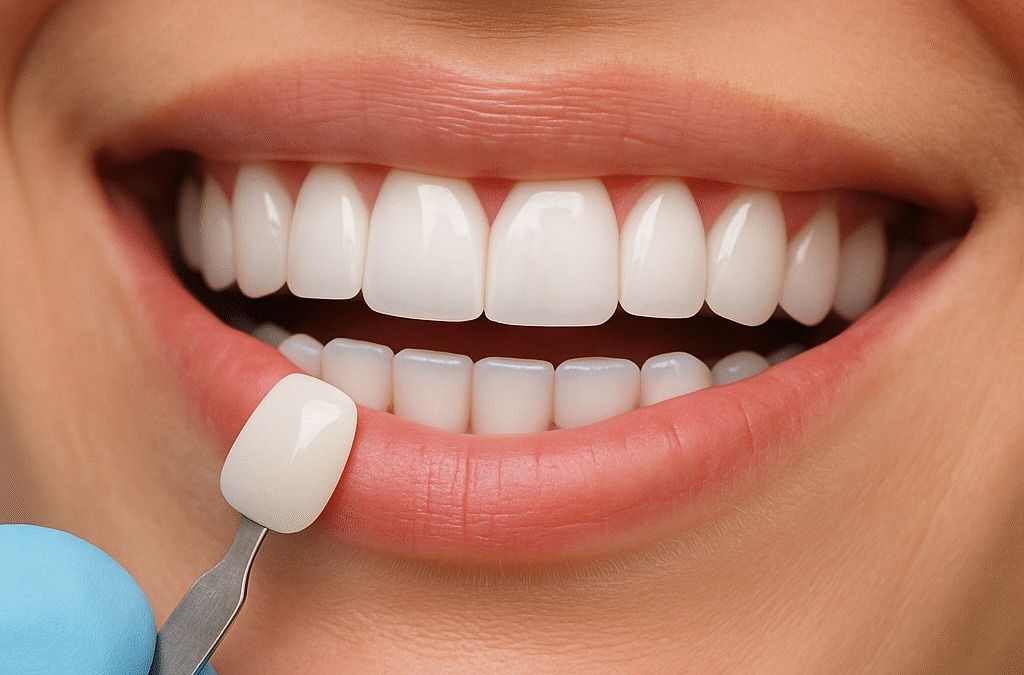
Common treatments in a smile makeover include professional teeth whitening for patients whose primary concern is discoloration, porcelain veneers for addressing chips, gaps, discoloration, and minor misalignment across the front teeth, cosmetic dental bonding for quick, conservative fixes to minor chips or shape irregularities, and Invisalign treatment for patients whose smile would benefit from straighter teeth before or alongside other cosmetic work.
Smile makeovers can range from a single treatment to a combination of several, depending on how many concerns the patient wants to address. What they share in common is that the underlying teeth and supporting structures are fundamentally healthy. The treatments improve what is already there rather than rebuilding what has been lost or damaged.
What Full Mouth Reconstruction Typically Involves
Full mouth reconstruction starts not with what the patient wants but with what the clinical assessment reveals. The dentist evaluates the teeth, gums, bite, bone structure, and existing restorations and determines what needs to be done to restore adequate health and function across the entire mouth.
The treatments involved in reconstruction are more comprehensive and often more invasive than those in a smile makeover. Dental implants are commonly used to replace missing teeth permanently and restore the stimulation the jawbone needs to maintain its density. All-on-4 implants or All-on-6 implants may be recommended for patients who have lost most or all of their teeth and need a full arch replacement rather than individual tooth restorations. Crowns and bridges restore teeth that are too damaged for a filling but still have viable root structure. Bone grafting procedures rebuild jawbone density lost to tooth extraction or gum disease before implants can be placed. Periodontal treatment addresses active gum disease that must be resolved before any restorative work begins.
The treatments in a reconstruction plan are sequenced carefully and deliberately. Each phase creates the foundation for the next. Getting the sequence wrong, or skipping a phase that is clinically necessary, undermines everything that follows.
The Role of Function vs. Aesthetics
This is one of the clearest ways to understand the distinction between the two approaches.
In a smile makeover, function is generally already adequate. The patient chews comfortably, has no significant bite problems, and is not dealing with pain or structural instability. The treatments improve how things look without needing to address how things work.
In full mouth reconstruction, function is often significantly compromised. Patients may have difficulty chewing because of missing teeth or failing restorations. They may experience jaw pain from a bite that has shifted over years of tooth loss. They may have sensitivity, infection, or structural instability that affects their daily comfort and quality of life. Restoring function is not secondary to aesthetics in reconstruction. It is the primary clinical objective.
This is also why reconstruction timelines are typically longer than smile makeover timelines. Surgical procedures like implant placement and bone grafting require healing periods. Periodontal treatment needs time to resolve before restorative work begins. Rushing the sequence to get to the cosmetic result faster produces an unstable outcome that doesn’t hold up.
How the Planning Process Differs
Planning a smile makeover typically involves a consultation focused on the patient’s cosmetic goals, digital photographs, and in many cases a digital smile preview that shows the patient what their result will look like before any work begins. The treatments are planned around the aesthetic outcome.
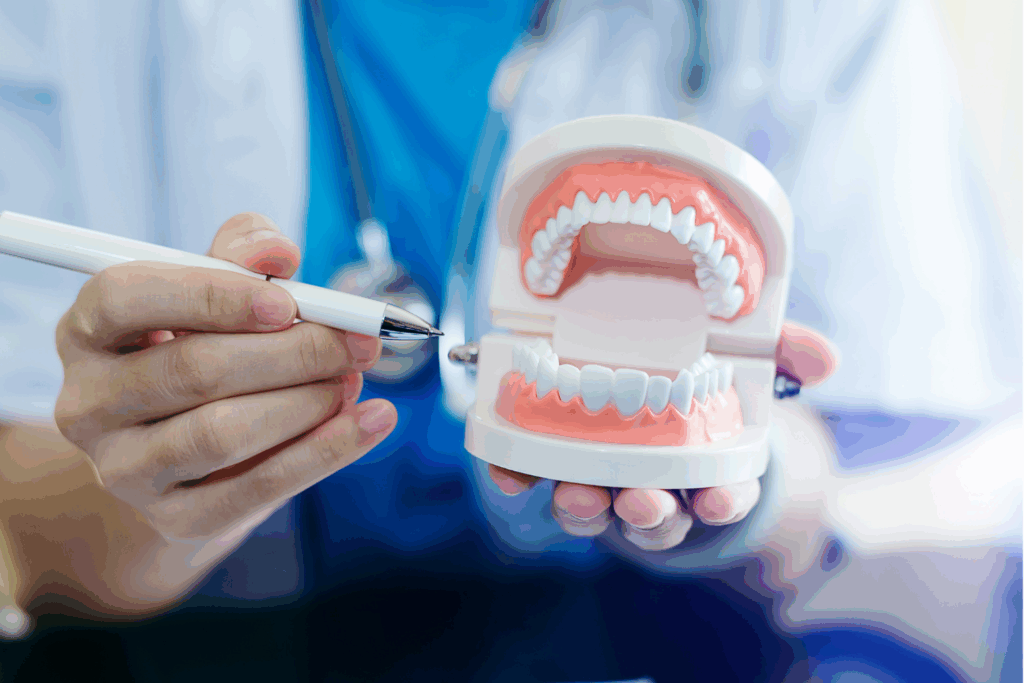
Planning a full mouth reconstruction involves a much more comprehensive diagnostic workup. 3D cone beam imaging assesses bone density, nerve locations, and sinus positioning. Digital scans capture precise models of the existing teeth and bite. A full periodontal assessment evaluates the health of the gums and supporting bone. The bite is analyzed for imbalances that need to be corrected as part of the reconstruction.
The treatment plan that emerges from this process is built around what the clinical findings demand, with aesthetics incorporated as an integral part of the outcome rather than the starting point.
Can a Patient Need Both?
Yes. Many full mouth reconstruction cases include significant cosmetic components. A patient who needs implants, bone grafting, and periodontal treatment may also benefit from veneers or whitening as part of the final cosmetic phase of their reconstruction.
In these cases the reconstruction addresses the clinical necessity first and the cosmetic refinement comes last. Attempting to place veneers or do whitening before the foundational issues are resolved produces results that either don’t last or can’t be placed at all because the underlying teeth aren’t stable enough to support them.
For patients across Agoura Hills, Calabasas, Westlake Village, Thousand Oaks, Oak Park, Hidden Hills, Newbury Park, Bell Canyon, and Lake Sherwood who are not sure which category their situation falls into, a comprehensive consultation is the right starting point. A thorough clinical assessment gives both the patient and the dentist a clear picture of what is actually needed before any treatment decisions are made.
How to Know Which One You Need
Here is a simple framework for thinking about this before your consultation:
- If your teeth and gums are fundamentally healthy and your concern is primarily about how your smile looks, a smile makeover conversation is likely the right starting point
- If you have multiple missing teeth, significant bone loss, widespread decay, failing restorations across the mouth, or functional problems like jaw pain and difficulty chewing, full mouth reconstruction is more likely what your situation requires
- If you have a combination of cosmetic concerns and underlying health issues, you may need reconstruction first and cosmetic refinement as part of the final phase
The distinction matters because it affects not just which treatments are recommended but also the timeline, the investment involved, and the sequence in which things need to happen to produce a result that actually lasts.
FAQs
Is a smile makeover the same as full mouth reconstruction?
Can I have a smile makeover if I have missing teeth?
How long does full mouth reconstruction take compared to a smile makeover?
Is full mouth reconstruction more expensive than a smile makeover?
How do I know which one I need before my consultation?
Not Sure Where You Fall?
A comprehensive consultation is the clearest path to an answer. Whether your situation calls for a cosmetic refresh or a comprehensive reconstruction, Agoura Advanced Dentistry has the expertise and technology to give you an honest assessment and a treatment plan built around what your mouth actually needs.
Serving patients across Agoura Hills, Calabasas, Westlake Village, Thousand Oaks, Oak Park, Hidden Hills, Newbury Park, Bell Canyon, and Lake Sherwood. Call (818) 874-3533 or visit agouradds.com to schedule your consultation today.
