


An overbite is one of the most common bite concerns. It happens when the upper front teeth overlap the lower front teeth more than they should. A small amount of overlap is normal, but a deeper overbite can sometimes cause tooth wear, gum irritation, or trouble biting comfortably.
Many people think Invisalign is only used to straighten crooked teeth or close small gaps. However, clear aligners may also improve certain types of overbites. The answer depends on what is causing the problem and how much correction is needed.
If you are considering Invisalign in Agoura Hills, the first step is a full dental and bite check. This allows the dentist to see whether the problem comes mainly from the position of the teeth or from the way the jaws have developed. Once the cause is clear, you can receive a treatment plan that fits your needs.
What Is an Overbite?
An overbite describes how much the upper front teeth cover the lower front teeth when the mouth is closed. Some overlap is healthy and helps the teeth work together when biting and chewing.
When the overlap becomes too deep, the condition may be called a deep bite. In more serious cases, the lower teeth can touch the gum tissue behind the upper teeth. This may lead to discomfort or uneven wear over time.
An overbite is not the same as an overjet. An overbite is a vertical overlap, while an overjet means the upper teeth sit too far forward. Some people have both concerns, which is why a professional bite check is important.
Why Do Overbites Happen?
There is no single cause. For some patients, the problem comes from the position or angle of the teeth. The front teeth may have moved too far down, or the back teeth may not provide enough height to keep the bite open.
Other cases are connected to jaw growth. For example, the upper and lower jaws may not have developed in balance. These cases can be more complex because moving the teeth alone may not fully correct the problem.
Family traits can play a role, but childhood habits may also affect the bite. Long-term thumb sucking or pacifier use can change how teeth come in. Missing teeth, teeth grinding, and natural changes in tooth position may also contribute.
The cause of the overbite matters because it guides the treatment. A dental overbite may respond well to aligners, while a major jaw difference could require care from an orthodontist or another dental specialist.
How Can Invisalign Improve an Overbite?
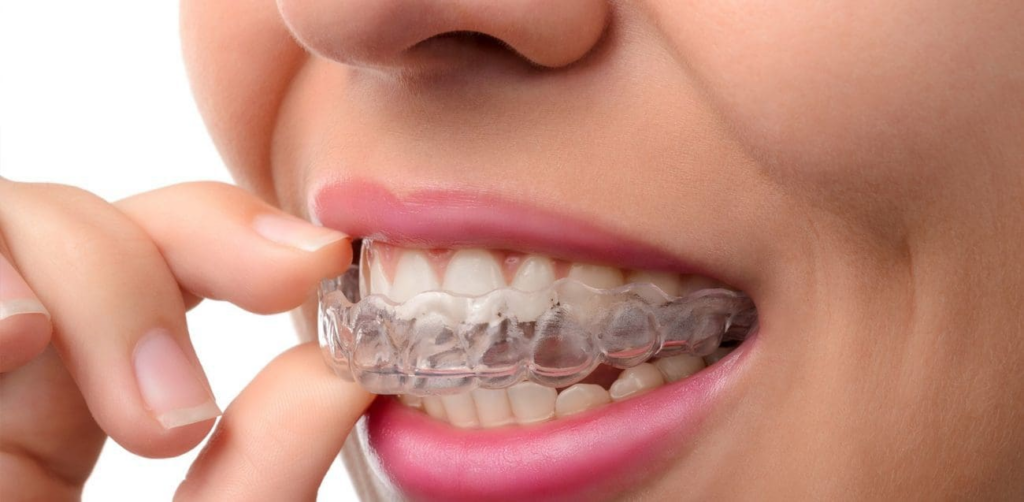
Invisalign uses a series of removable aligners that apply gentle, controlled pressure. Each set moves selected teeth a small distance. Over time, these planned movements can improve both tooth alignment and the way the upper and lower teeth meet.
Treating an overbite may involve moving the front teeth upward, adjusting the back teeth, changing the angle of certain teeth, or coordinating both dental arches.
The aligners may include small raised areas called bite ramps. These create contact with the lower teeth and can support movements used to open a deep bite. Some patients also need tooth-colored attachments. These small shapes are placed on selected teeth to give the aligners a better grip.
Elastics may be included when extra support is needed between the upper and lower teeth. Not everyone needs bite ramps, attachments, or elastics. Their use depends on the movements planned for each patient.
Which Overbites Can Invisalign Treat?
Invisalign may be an option for many mild or moderate dental overbites. These cases usually involve tooth positions that can be improved through controlled movement.
More involved cases may still be treatable, but they can require a longer plan, extra aligners, or other forms of orthodontic care. When a large difference in jaw position is causing the problem, aligners alone may not be enough.
A dentist will usually look at:
- The depth of the overbite
- The position of the front and back teeth
- The relationship between the jaws
- Gum and bone health
- Existing dental work
- Teeth grinding or clenching
- The patient’s ability to wear aligners as instructed
Two people may have overbites that look similar but need different treatment. X-rays, photographs, and a digital scan help the dentist understand what is happening below the gumline as well as what can be seen in the smile.
What Happens During the First Appointment?
The first visit normally includes a review of your dental history and a close look at your teeth, gums, and bite. Digital images or X-rays may be taken to check the roots, bone, and jaw position.
A scan can then create a digital model of your teeth. This helps the dentist plan each stage and show the movements that may be possible. The preview is useful, but it should be viewed as a treatment guide rather than a promise of the exact final result.
Healthy teeth and gums are important before starting aligners. If plaque, gum inflammation, or another concern is found, dental hygiene in Agoura Hills may be recommended before orthodontic care begins.
This early preparation creates a cleaner, healthier base for treatment and makes it easier to care for the teeth while wearing aligners.
What Is Daily Life with Invisalign Like?

Aligners need to be worn for most of the day and night. They are removed for meals, most drinks, brushing, and flossing. If they are left out too often, the teeth may not move according to the plan.
A new set may feel tight for the first day or two. This pressure is usually linked to the planned tooth movement. Bite ramps and attachments may also feel unusual at first, but many patients get used to them as treatment continues.
Cleaning is an important part of the routine. Food should not be trapped beneath the aligners because it may increase the risk of staining or tooth decay. Brush before putting the trays back in and clean the aligners using the method recommended by the dental team.
Regular checkups allow the dentist to make sure the trays fit and the bite is changing as expected. If an aligner cracks, stops fitting, or causes ongoing pain, contact the dental office instead of moving to the next set without advice.
How Long Does Treatment Take?
Treatment time is different for every patient. A mild overbite may take around a year, while a deeper or more complex bite could take 18 to 24 months or longer.
The final timeline depends on the amount of movement needed, the patient’s response, daily wear time, and whether extra refinement aligners are required.
Refinements do not always mean something has gone wrong. Teeth do not move in exactly the same way for every person. Additional trays may be used to complete small movements or improve the final bite.
Can Invisalign Be Part of a Larger Smile Plan?
Some patients want to correct their bite and improve other parts of their smile. Tooth alignment is often addressed first because it can create a better base for later cosmetic work.
After Invisalign, professional teeth whitening in Agoura Hills may be considered if natural teeth have stains or uneven color. Whitening does not change the color of crowns, fillings, or veneers, so the order of treatment should be planned carefully.
Patients with chipped, worn, or uneven teeth may also ask about porcelain veneers in Agoura Hills. Moving the teeth first may reduce how much reshaping is needed later, but each smile requires its own plan.
A consultation for cosmetic dentistry in Agoura Hills can help arrange these services in the right order. Cosmetic treatment should support the corrected bite rather than work against it.
Why Are Retainers Important After Treatment?
Once the aligners have finished moving the teeth, retainers help hold them in their new positions. Without retention, teeth can slowly shift back toward where they started.
Your dentist will explain how often the retainers should be worn. Some patients begin with longer daily wear before moving to nighttime use. Following that schedule is one of the most important ways to protect the result.
Retainers should also be checked during regular dental visits. They may wear out, become loose, or stop fitting correctly over time.
Taking the Next Step Toward a Healthier Bite
Invisalign can improve many mild to moderate dental overbites, but the right approach depends on the cause of the problem. A full examination can show whether clear aligners are suitable and what results may be realistic.
