

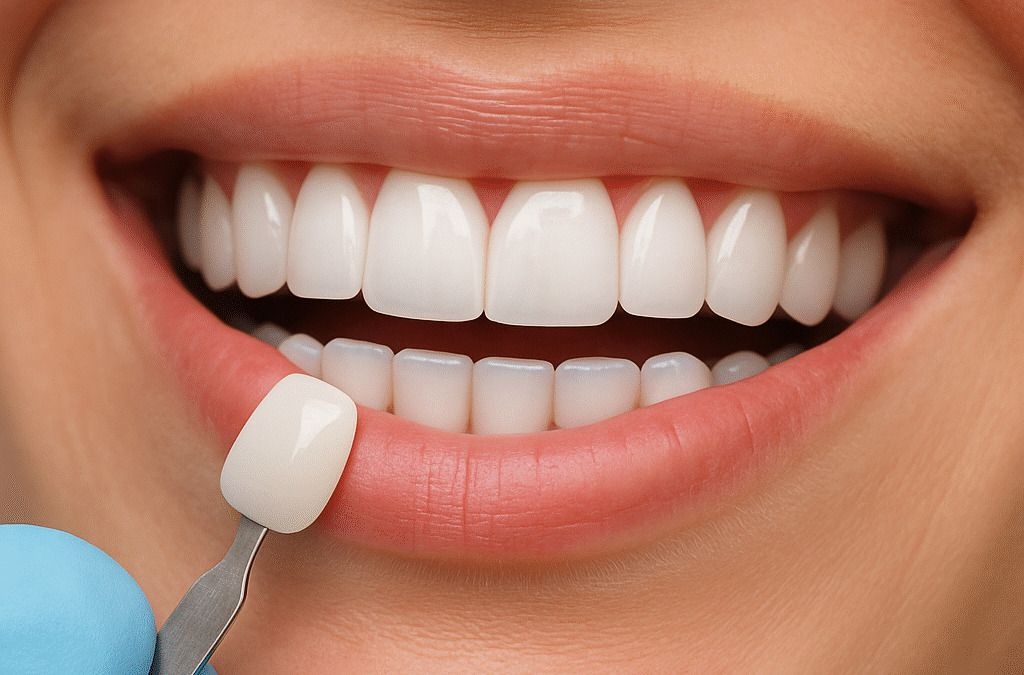
Ask ten people what they know about veneers and at least half of them will mention one thing: they are permanent. Said with certainty. Sometimes with a hint of warning. As if permanence is the catch that comes with getting a beautiful smile.
But what does permanent actually mean in this context? Because the word gets used loosely, and the reality is more nuanced than a simple yes or no. Understanding what is and is not permanent about veneers is one of the most important things a patient can know before committing to treatment.
So here is the honest, complete answer.
What Is Actually Permanent About Veneers
The permanence of veneers comes down to one specific thing: enamel removal.
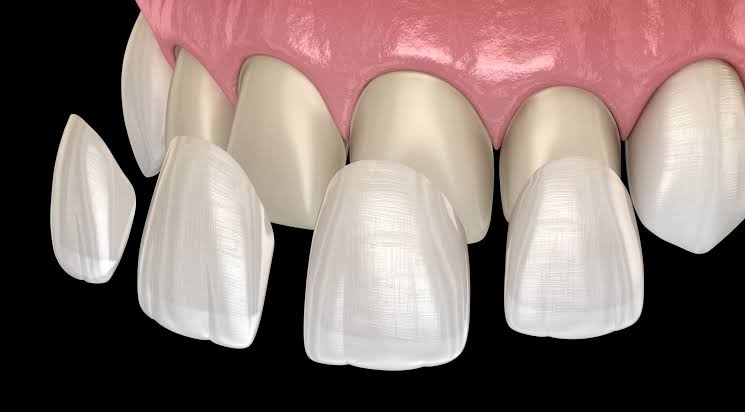
To place a traditional veneer, a dentist removes a thin layer of enamel from the front surface of the tooth. This creates space for the veneer to sit naturally without looking thick or bulky. The amount removed is small, often less than a millimeter, but enamel does not regenerate. Once it is gone, it is gone.
This means the tooth will always need some form of restoration going forward. You cannot simply remove a veneer and return the tooth to its original untreated state. The tooth that had enamel removed will always need a veneer, a crown, or another restoration to protect it.
That is what permanent means in the context of veneers. Not that the veneer itself lasts forever. But that the decision to get one is irreversible because of what happens to the tooth during preparation.
What Is Not Permanent About Veneers
The veneer itself is not permanent. It is a restoration with a lifespan.
Porcelain veneers typically last ten to fifteen years with proper care. Many last longer. Some need replacement sooner. Composite veneers, which involve less or no enamel removal, typically last three to seven years before they need replacing or touching up.
What this means practically is that getting veneers is not a one-time dental decision. It is a long-term commitment to maintaining restorations on those teeth for the rest of your life. When a veneer eventually needs replacement, a new one is placed. The tooth itself continues to need protection because of the original enamel removal.
Most patients who understand this fully are completely comfortable with it. The improvement in their smile is significant enough that maintaining it over time feels like a straightforward trade-off. But going in without this understanding can lead to surprise and frustration down the line.
What About No Prep and Minimal Prep Veneers?
This is where the permanence question gets more nuanced.
No prep veneers are designed to be placed without removing any enamel at all. In theory, they are reversible because the underlying tooth has not been altered. In practice, the situation is a little more complex. No prep veneers add thickness to the front of the tooth, which means they are only appropriate for teeth that are smaller than average or that can accommodate that added bulk without looking unnatural.
Minimal prep veneers remove a very small amount of enamel, significantly less than traditional veneers. They sit somewhere between fully reversible and irreversible depending on how much enamel was actually removed.
If reversibility is an important factor in your decision, no prep veneers are worth discussing with your dentist. But whether they are appropriate for your specific teeth depends on your tooth size, shape, and the cosmetic goals you are trying to achieve. Not every patient is a candidate, and a provider who recommends them for everyone without assessing individual suitability is not giving you the most accurate clinical guidance.
How Long Do Veneers Actually Last?
The lifespan of a veneer depends on several factors that are partly within your control.
Material is one. Porcelain veneers are more durable, more stain resistant, and more natural looking than composite. They last longer under normal conditions and maintain their appearance better over time.
The quality of the placement is another. A veneer that is bonded precisely with accurate margins and proper bite adjustment will outlast one that was placed with less precision. The skill and experience of the provider matters significantly here.
How you care for them matters too. Patients who brush and floss consistently, attend regular dental checkups, avoid habits like biting nails or chewing ice, and wear a nightguard if they grind their teeth consistently get more years from their veneers than those who don’t.
Here is a realistic summary of what to expect by material:
- Porcelain veneers — typically last 10 to 15 years, many last longer with good care
- Composite veneers — typically last 3 to 7 years before needing replacement or repair
- No prep porcelain veneers — comparable to traditional porcelain, 10 to 15 years with proper maintenance

What Replacement Actually Involves
When a veneer reaches the end of its life, the replacement process is straightforward for most patients. The old veneer is carefully removed and a new one is fabricated and bonded in its place. The preparation work was already done when the original veneer was placed, so replacement typically involves less tooth preparation than the initial placement.
Some patients worry that replacing veneers requires removing more enamel each time. In most cases this is minimal because the replacement veneer fits into the space already created. A good provider takes conservative preparation seriously from the first placement, which protects the long-term health of the underlying tooth through multiple replacement cycles over the years.
The Question Patients Should Really Be Asking
Rather than asking whether veneers are permanent, the more useful question is this: am I comfortable making a long-term commitment to maintaining these restorations on my teeth?
For most patients the answer is yes. The improvement in confidence, appearance, and daily quality of life that comes with a smile they love is worth the ongoing maintenance commitment. Veneers are one of the most consistently high satisfaction treatments in cosmetic dentistry for exactly this reason.
But patients who go in without understanding the commitment sometimes feel blindsided when a veneer eventually chips, stains, or needs replacement. The solution is not to avoid veneers. It is to go in fully informed so the decision is made with complete clarity.
What to Ask Your Dentist Before Getting Veneers
A few questions worth raising at your consultation before committing to anything:
- How much enamel will be removed for my specific case?
- Are no prep or minimal prep options appropriate for my teeth?
- What material do you recommend and why?
- What does replacement involve when the time comes?
- What can I do to maximize the lifespan of my veneers?
A confident, experienced cosmetic dentist will answer every one of these clearly and without hesitation.
